
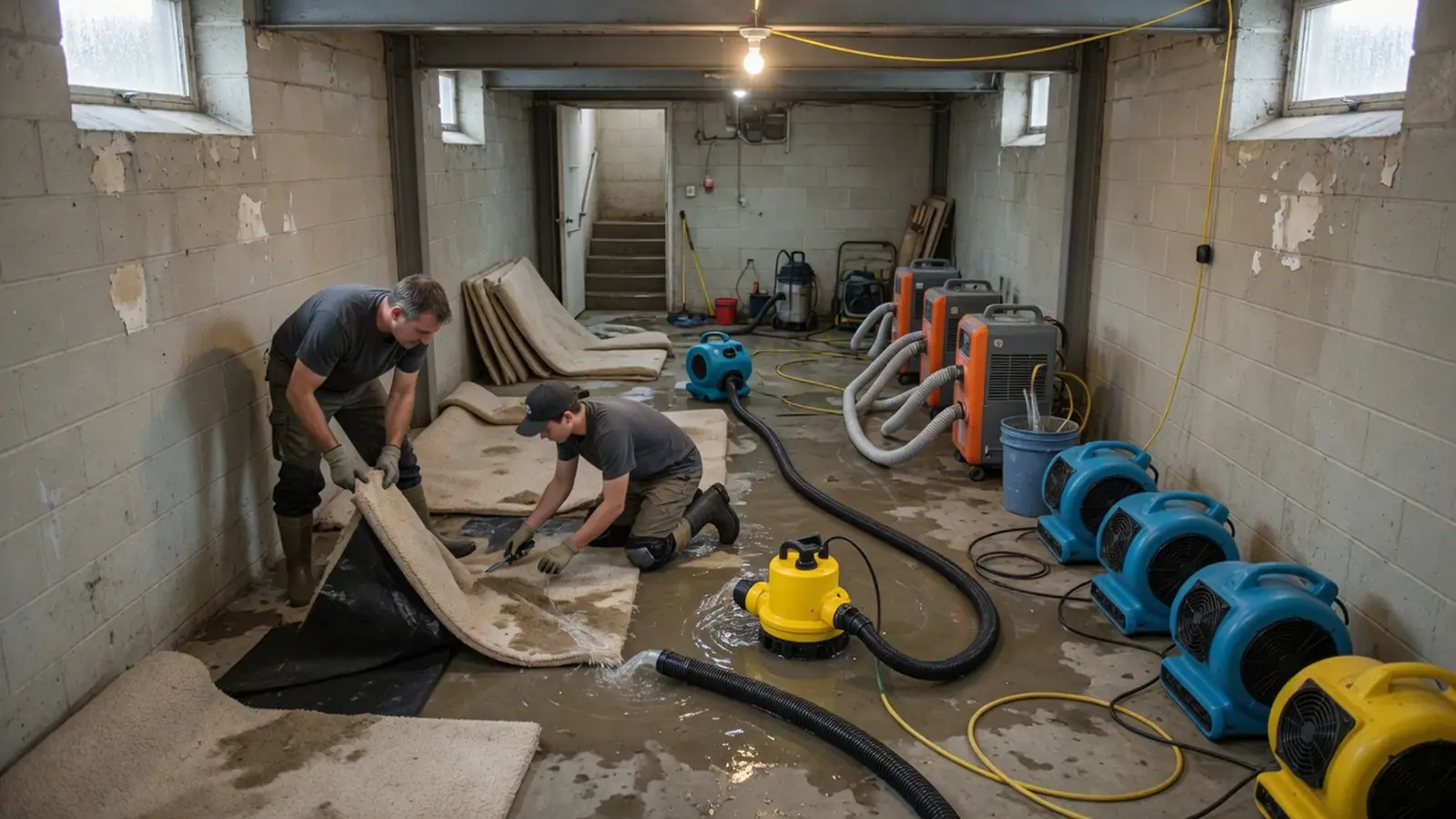
Norman Storm Damage
When severe storm damage leaves neighborhood streets tangled like a maze, obstructing access for emergency service vehicles and equipment needed for rapid structural mitigation, our response units navigate obstacles to start extraction immediately. We remove standing water, seal structural breaches, and safeguard framing before secondary microbial decay develops.
Questions? (405) 555-0167.
Prefer to talk? (405) 555-0167
Dedicated Local Storm Recovery
Torrential rainfall rapidly overwhelms drainage along Indian Hills Road and 48th Ave in the northwest district, creating severe flash flooding risks for surrounding residential properties.
A pattern echoed in public discussions is that severe surface water redirection and altered storm runoff create chronic yard pooling and foundation moisture threats for neighboring properties.
Count on our dedicated water damage restoration specialists to extract intrusion and safeguard your foundation before framing warps.
Homeowners often describe how catastrophic storm-related structural flooding can render living spaces uninhabitable while homeowners coordinate emergency stabilization and temporary relocation.
Our crews provide immediate pumping, structural board-up, and continuous drying to restore safety as quickly as possible.
Our Step-by-Step Mitigation Protocol
From emergency containment to final structural dry-down, we deploy industrial drying systems to halt moisture migration.
- Emergency Dispatch & Off-Grid Power. Waiting 3 to 4 days for utility restoration before starting storm cleanup risks severe secondary moisture damage, requiring independent power generation for drying equipment. Our units arrive with mobile commercial generators to start extraction without waiting on the grid.
- Roof Breach Containment & Teardown. Ceiling drywall saturation and secondary microbial growth following storm-related roof breaches leave homeowners needing clear protocols for containment and teardown. Schedule professional mold remediation and moisture containment before airborne spores migrate to unaffected living quarters.
- Crawlspace Extraction & Insulation Stripping. Standing water in crawlspaces after severe weather requires rapid extraction, removal of saturated insulation, and mechanical framing dry-down to halt deterioration. Technicians remove sodden fiberglass batts and deploy high-velocity air movers across subfloor joists.
- Sub-Surface Drainage & In-Ground Shelter Drying. Intense regional rainfall and elevated water tables exert hydrostatic pressure that forces groundwater to pool beneath and around in-ground storm shelters. Learn how our complete flood cleanup protocols relieve hydrostatic pressure and pump submerged enclosures dry.
Our Restorative Workmanship Standard
We follow strict IICRC structural drying principles, verifying moisture content across framing timbers with calibrated penetrating meters before signing off on any recovery phase.
Emergency Water Extraction
Truck-mounted extractors and submersible pumps remove heavy water accumulations from living rooms, basements, and crawlspaces within hours of arrival.
Structural Framing Dry-Down
Industrial LGR dehumidifiers and directional air movers draw bound moisture out of studs, subflooring, and headers to prevent dry rot and warping.
Roof Tarping & Board-Up
Immediate exterior envelope sealing prevents wind-driven downpours from entering compromised attic spaces and ceiling drywall during secondary weather fronts.
Our Commitment To Rapid Storm Recovery
We approach storm mitigation with prompt structural stabilization, industrial moisture extraction, and verified drying standards so families can reoccupy their homes safely.
- 12Zip Codes Served
- 8Service Areas
- 3Services Offered
Read verified feedback from local property owners who experienced our rapid structural stabilization and water extraction after severe storm events.
“Downed power lines and flash flooding blocked our entire street on the first morning, but the crew brought their own mobile power rigs as soon as the road cleared. They adjusted their timeline on the fly and stayed late into the evening extracting water from our soaked living areas. By the next afternoon, structural drying was completely on track.”
Marcus T.
“Our neighborhood association is notoriously strict about heavy machinery parking and staging on the curb during severe weather events. The team communicated directly with the board coordinator, contained their drying equipment quietly within our driveway, and maintained clean site boundaries throughout the job. Everything went smoothly without a single complaint from adjacent homeowners.”
Brenda K.
“Three months have passed since the severe storms breached our roof decking and soaked the ceiling insulation. We have monitored humidity levels closely through the hot summer weeks, and our home remains totally dry without any musty odors or drywall staining. The thorough structural dry-down they performed gave us complete peace of mind.”
Devon P.
“My eighty-year-old mother lives with us and uses a walker, so navigating around heavy drying equipment was a major concern. The crew took extra time to tape down all industrial cords, created clear unobstructed walking paths between bedrooms, and kept the loudest air movers isolated behind closed doors. Their consideration for her safety made a stressful week manageable.”
Sharon M.
Frequently Asked Questions
How fast should storm water extraction begin to prevent severe damage?
Storm water extraction should begin within 24 to 48 hours to prevent permanent framing rot and secondary airborne microbial amplification. Delaying past this critical window allows standing water to soak into structural wall cavities, subfloors, and ceiling joists, compounding repair costs.
What happens if local utility power is knocked out during cleanup?
Crews utilize commercial mobile generators to run water extractors and high-capacity dehumidifiers independently of the electrical power grid. Waiting several days for utility lines to be restored allows moisture to migrate deeply into framing, so off-grid generation is essential.
Can flood water under an in-ground storm shelter damage its structure?
Severe hydrostatic groundwater pressure can lift shelter seams, force muddy seepage inside, and destabilize surrounding residential soil beds. Relieving this external hydraulic force requires specialized sump extraction and localized drainage relief before corrosion sets in.
Does homeowner insurance generally cover sudden structural storm damage?
Most policies cover sudden wind-driven rain and roof breaches, but distinct flood policies are required for surface water rising from outside. Documenting moisture readings, structural impacts, and water entry points promptly assists your adjuster during the claims process.
How are saturated crawlspaces dried after intense regional downpours?
Restoration involves pumping standing water, discarding contaminated wet insulation, and deploying commercial air movers across wood framing. Technicians track moisture content in subfloor timbers daily until levels fall to safe structural equilibrium standards.